The tools do not talk
Inbox, OTA, WhatsApp, and a sheet for availability. The guest asked once. The desk answers in fragments — or not at all.

Why hotels use it01
A missed inquiry is an empty night. A slow first reply is a guest who already booked somewhere else. Hotels come to iSales because sales, occupancy, and guest communication do not share a rhythm — and the front desk cannot run a generic CRM on a peak Saturday.
Inbox, OTA, WhatsApp, and a sheet for availability. The guest asked once. The desk answers in fragments — or not at all.
Dates, room, rate, and extras live in different heads. The first proposal goes out vague, or after the guest has closed the tab.
The stay that did not convert dies in a thread. There is no next offer, no hold, no reason to come back next season.
Initial offers02
Most hotels do not lose the guest on check-in. They lose them on the first reply. Someone asks for a weekend. The desk hunts availability, guesses a package, and sends “we should have rooms.” That is not an offer. It is an invitation to keep shopping.
iSales is built so the first offer is a real offer: the stay, the rate, the extras, sent while the inquiry is still warm. Occupancy, sales, and guest communication sit in one place, so staff do not assemble a proposal from three screens.
A stronger initial offer is not a prettier PDF. It is speed plus correctness — the night that is actually empty, at a rate the property can stand behind, with breakfast or a transfer attached before the guest asks twice.
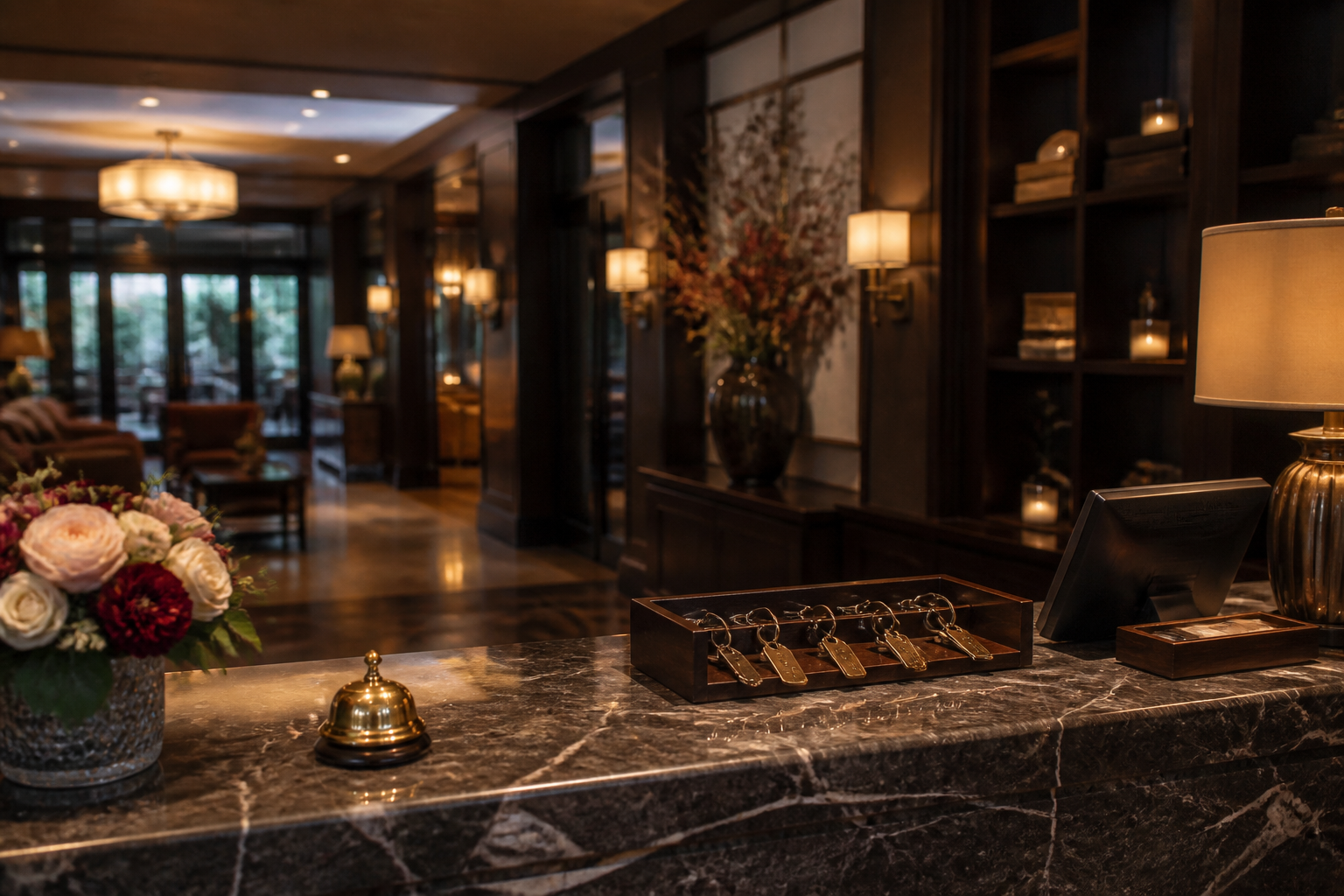
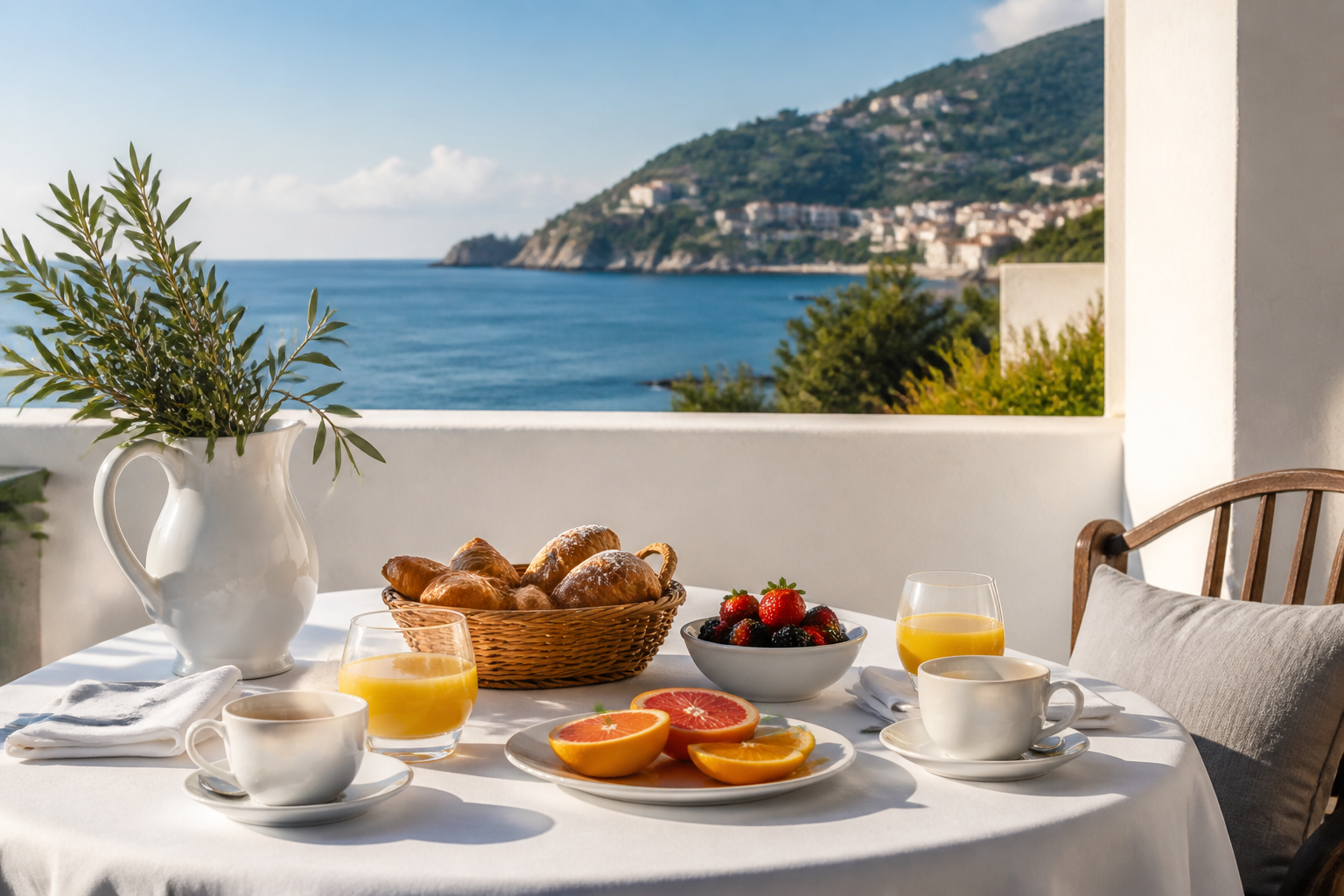
The first offer
“We should have rooms” is not an offer. A first offer is dates, rate, extras — sent while the inquiry is still warm.
Web, message, or call — the desk sees it in the same rhythm.
Dates, room, rate, extras. A proposal, not a maybe.
Occupancy updates with the sale. No double-book by memory.
Follow-up is part of the desk, not a campaign someone forgot.
How sales move03
iSales does not “add a funnel.” It shortens the path from a question to a paid night. That is how occupancy rises: fewer dead inquiries, a first offer that converts, and a follow-up that sells the night you still have empty.
The product04
ProductiSales
Our only product
iSales
Occupancy, sales, and guest communication in one rhythm — shaped by real front-desk work, not a generic CRM skin. Staff can run it on a peak night.
We do not only sell it. We operate it. The same people you brief are the people who keep the platform live properties already depend on.
Send Request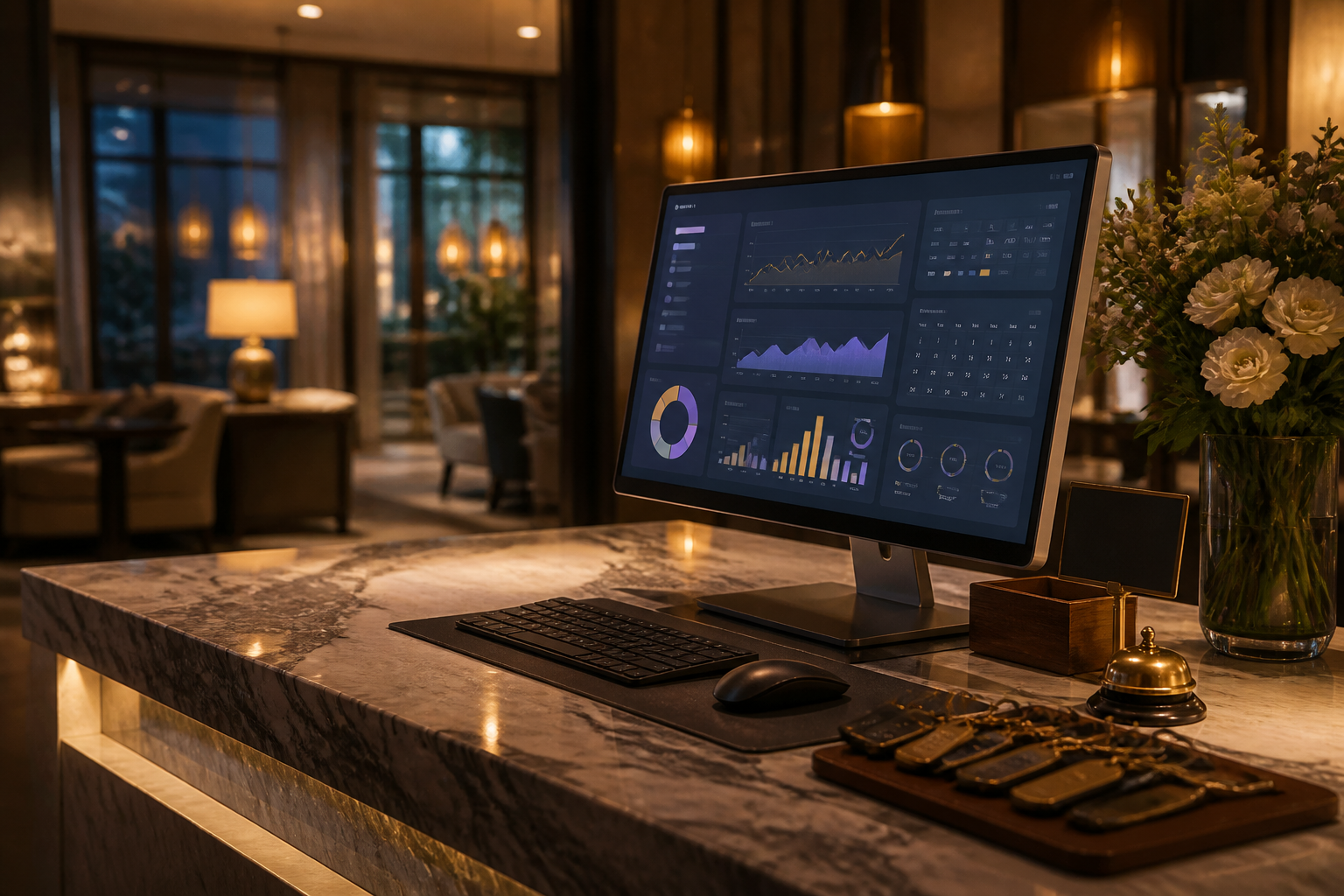
The briefing05
Tell us the property, the leak, and the outcome. We will tell you honestly whether iSales is the right first step — and what the first slice of work should be.